Narrow street access and rubbish vans in Stoke Newington E5
Posted on 19/08/2026

If you live, work, or manage a property in Stoke Newington E5, you will already know the pattern: a bin day can feel simple on paper, then suddenly the street is half-parked, a van cannot swing in, and the pile of rubbish still needs shifting. That is exactly why narrow street access and rubbish vans in Stoke Newington E5 deserves a proper, practical guide. The area has plenty of character, but tighter roads, busy parking, and awkward front steps can make waste collection more complicated than people expect.
This article breaks down how rubbish vans handle narrow access, what helps, what gets in the way, and how to plan a clearance that does not become a headache. Whether you are dealing with a flat clearance, a builder's skip alternative, or a one-off bulky load, a little planning goes a long way. Truth be told, it is usually the small details that make the biggest difference.
Why Narrow street access and rubbish vans in Stoke Newington E5 Matters
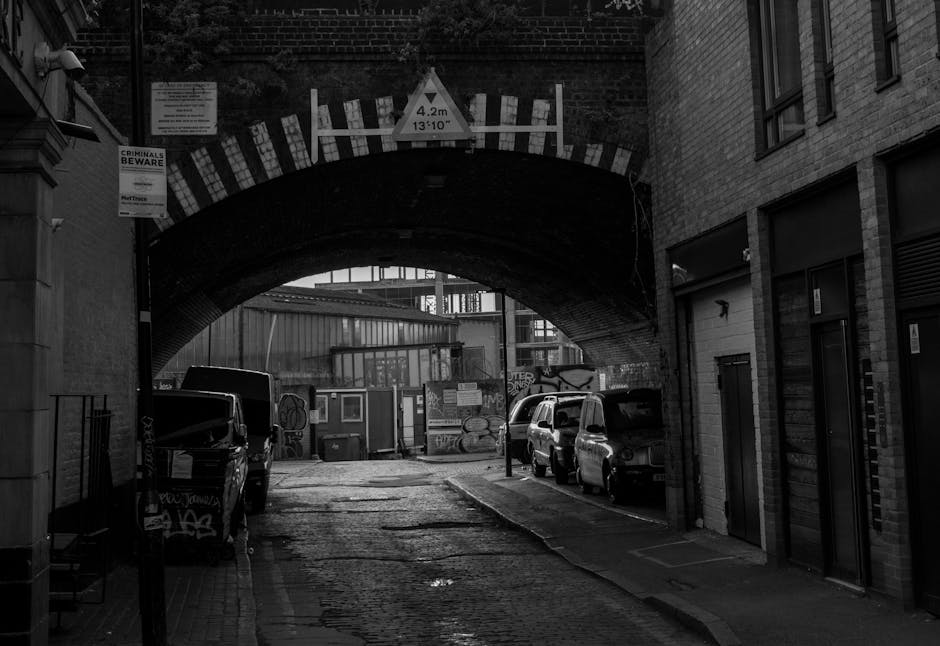
Narrow streets change the whole shape of a rubbish collection. A job that looks straightforward in a booking form can quickly turn into a logistics puzzle once a van meets parked cars, low-hanging branches, tight turns, or a road that barely allows two vehicles to pass. In Stoke Newington E5, that is not unusual. The local street pattern often means crews have to think carefully about where to stop, how far they must carry items, and whether they can safely load without blocking traffic.
That matters for three reasons. First, access affects how fast the collection can happen. Second, it affects what size of vehicle can actually attend. Third, it affects the safety of everyone on site, from the crew to neighbours passing by with a buggy or shopping bags. Let's face it, nobody enjoys a van standing in the road with half the pavement blocked and a sofa wedged awkwardly through a doorway.
It also matters commercially. If access is tight and the plan is not realistic, delays can lead to extra labour, rescheduling, or the need for a different vehicle. For households clearing a flat, landlords preparing for new tenants, or businesses moving out equipment, those avoidable delays are a nuisance. A clear access plan saves time and usually saves money too.
For a broader overview of how services are structured, it can help to read the services overview alongside this guide. If you are trying to work out the kind of clearance you need rather than just the access side, the page on your rubbish removal needs is also a useful starting point.
How Narrow street access and rubbish vans in Stoke Newington E5 Works
In practice, a narrow-street collection is all about matching the right vehicle and crew setup to the location. Not every rubbish van behaves the same way. Some are compact and better for tighter streets; others carry more volume but need more room to manoeuvre. The choice depends on how much rubbish you have, how quickly it needs to go, and how easy it is to reach the property.
Usually, the process starts with a few practical questions: Can the van stop close to the front door? Is there space to load without blocking access for neighbours? Will the crew need to carry items a long way? Are there stairs, railings, basement steps, or a shared hallway to navigate? Even a short carry can matter if the load is heavy or awkward. An old wardrobe or a broken chest freezer feels much heavier after the third turn on a cramped staircase.
Crews will often assess whether a van can load from the kerb, from a driveway, or from a nearby safe stopping point. In some cases, the vehicle may not be parked directly outside at all. The rubbish can be moved by hand or with sack trucks and loading trolleys from a nearby position. That is slower, but sometimes it is the only workable solution.
For building-related waste, access planning becomes even more important. Loose plasterboard, timber, rubble bags, and dismantled fittings need a sensible loading route. If the project is larger, a page like builders waste disposal in Hackney can give you a better sense of what is usually involved. The same applies to household projects, where house clearance support can be a better fit than trying to move everything yourself in one go.
One small but important detail: access is not just about the road width. It is also about timing. A street that looks impossible at 9am might be manageable later in the day, or vice versa. That is why a decent booking conversation matters. It is not just admin. It is the difference between a neat collection and a stressful one.
Key Benefits and Practical Advantages
When access is planned properly, narrow-street rubbish collection can be very efficient. It is not glamorous, obviously, but it does have real practical advantages.
- Less disruption: A sensible vehicle choice reduces the chance of blocking the street or upsetting neighbours.
- Safer loading: The right setup means fewer rushed lifts, fewer awkward manoeuvres, and less risk of damage.
- Better time control: Knowing where the van can stop helps the crew work at a steadier pace.
- Cleaner finish: Items can be removed in one visit instead of being dragged around the property several times.
- More predictable pricing: Clear access details help estimate labour more accurately.
There is another benefit that people sometimes overlook: peace of mind. If you know a van can access the area properly, the whole job feels less chaotic. That matters especially during life changes, like moving home, clearing a relative's property, or getting a rental ready for new tenants. The last thing anyone needs is guesswork on collection day.
If you are comparing clearance options, you may also find it useful to read about waste removal in Hackney and the broader rubbish clearance service. Those pages can help you understand how the service fits together before you book.
Who This Is For and When It Makes Sense
This topic matters to a surprisingly wide group of people. If you have never had to think about van access before, you might be a bit surprised how often it comes up.
- Flat owners and tenants: Especially in upper-floor flats, maisonettes, and properties with tight stairwells or shared entrances.
- Landlords and managing agents: For end-of-tenancy clearances, fly-tipped waste, or bulky items left behind.
- Builders and trades: When materials and debris have to be removed without a skip sitting on the road.
- Small businesses: Particularly offices, salons, studios, and shops in busy streets with limited stopping space.
- Event organisers: Temporary waste from parties or community events can build up fast and needs a tidy exit plan.
It also makes sense when the street itself is the main complication. A lot of Stoke Newington roads are perfectly normal for everyday life, but not ideal for large vehicles. If your item count is low but bulky, a smaller van or careful hand-loading may work best. If the load is heavy and scattered, you may need a slightly different method.
For event-related clearances, there is useful related reading on hosting a party in Hackney and event rubbish clearance for Hackney festivals. Different setting, same basic issue: waste builds up fast when people are busy enjoying themselves.
Step-by-Step Guidance
If you want a smoother collection, do not leave access planning until the last minute. A simple approach works best.
- Measure the practical access points. Look at gate widths, hallway turns, stair landings, front steps, and whether a van can stop nearby.
- List the items by size and awkwardness. A settee, a mattress, and a dismantled wardrobe create different challenges, even if the total volume seems similar.
- Take a quick photo of the route. A couple of clear images can help explain the site much better than a long message.
- Check whether parking or loading is likely to be tight. If the van cannot stay close, allow extra time for carrying.
- Choose the right service type. House clearance, office clearance, garden waste, or builders waste all have slightly different logistics.
- Prepare the items before arrival. Separate anything reusable, bag small waste, and make the route as clear as possible.
- Keep neighbours in mind. If access is especially tight, a little courtesy goes a long way. Nobody likes a surprise obstruction at school run time.
That is the clean version. In real life, of course, there are the odd hiccups: a car parked where it should not be, a gate that sticks, or a delivery van blocking the road for ten minutes. Fine. These things happen. But if your preparation is decent, the collection can still go ahead smoothly.
If you need a clearer sense of timing, same-day expectations, or what happens when plans change, the article on urgent rubbish clearance and same-day delays is worth a look.
Expert Tips for Better Results
Here is the part that tends to save people the most stress. The details are small, but they are not minor.
- Book with access in mind, not just volume. A small load in a difficult location may take longer than a larger load on a wide road.
- Tell the team about one-way streets, parked cars, and basement entries. What seems obvious to you may not be obvious to someone arriving for the first time.
- Clear the route the night before. Shoes, prams, plant pots, recycling bags, and folded bikes all slow things down.
- Be realistic about van size. Bigger is not always better if the street is tight. A slightly smaller vehicle can be the smarter choice.
- Plan around busy times. School start, lunch rush, and evening parking pressure can all make access harder.
A good rule of thumb: if you would hesitate to squeeze a delivery van into the street yourself, mention it early. The crew can then plan properly rather than discovering the issue on arrival. That sounds obvious, but people forget it all the time. We all do, honestly.
One more thing: if the job includes heavier construction material, use a specialist page like builders waste disposal in Hackney rather than assuming a standard household collection is the best match. Different waste streams, different handling, different headaches.

Common Mistakes to Avoid
Most access problems are avoidable. That is the frustrating part, really. The usual mistakes are simple, and that is why they catch people out.
- Not mentioning access constraints at booking stage. This is the big one. If the van size or loading route is unclear, the whole job is built on guesswork.
- Assuming the driver can "just find a space." In a narrow road, that is not always realistic.
- Leaving items inside the property in separate rooms. It may sound tidy, but it adds time and friction.
- Forgetting about stairwells and corners. A wardrobe that looks fine in a bedroom may become a nightmare on the turn down the stairs.
- Waiting until the last minute to book. Good slots disappear, especially when access is tricky and longer loading times are needed.
Another common mistake is treating every service as interchangeable. A house clearance, office clearance, and garden waste job each have different access implications. If you are sorting out a work property, the dedicated office clearance page can be a better fit than a generic route.
Tools, Resources and Recommendations
You do not need specialist equipment to prepare well, but a few simple tools help a lot. Nothing fancy. Just practical things that make life easier.
- Measuring tape: Useful for gates, hallways, and stair widths.
- Phone camera: A few photos of the access route can prevent confusion later.
- Marker tape or sticky notes: Handy for identifying items that need to go.
- Strong bags and boxes: Especially for mixed smaller waste that would otherwise spill or slow loading.
- Basic gloves and flat footwear: Not glamorous, but better for moving items safely.
For planning and confidence, these pages can help in different ways: pricing and quotes for budget planning, insurance and safety for peace of mind, and recycling and sustainability if you want to understand what happens to reusable or recyclable items.
If you are sorting a home after a move or reshuffle, house clearance in Hackney is also a useful reference point. It is often easier to see the scale of the task when the service type is clearly described.
Law, Compliance, Standards, or Best Practice
Waste collection in narrow streets is not just a convenience issue. It has safety and compliance implications too. Without getting overly legal about it, the main principle is simple: waste should be handled responsibly, the street should not be left unsafe, and the crew should not create avoidable hazards for the public.
In practice, that means keeping loading safe, avoiding obstruction where possible, and making sure waste is sorted and transferred appropriately. Good operators also pay attention to insurance, the condition of the access route, and whether a collection can be done without risk to people or property. If a service provider is hesitant about a specific access issue, that is usually a good sign rather than a bad one. Caution is part of doing the job properly.
For householders and businesses, the best practice is to be honest about the site conditions. If a van cannot access a road at peak times, say so. If the item is unusually large, say so. If there are stairs, heavy bags, or restricted entry, say so. It sounds basic because it is basic. But that honesty helps everyone stay safe and keeps the service realistic.
You can also review the company's broader policies and standards, including terms and conditions, payment and security, and the accessibility statement, which can be useful if you are booking for a property with access needs.
Options, Methods, or Comparison Table
When access is tight, you usually have a few ways to solve the problem. The best one depends on the volume of waste, the type of property, and how much carrying is involved.
| Method | Best for | Pros | Limitations |
|---|---|---|---|
| Compact rubbish van | Very narrow roads and smaller loads | Easier parking, better manoeuvrability, less street disruption | Lower capacity, may need more trips or sorting |
| Larger removal van | Bigger clearances with workable access | Higher capacity, efficient for mixed loads | Needs more turning space and better stopping room |
| Kerbside loading | Properties close to a safe stopping point | Quick, tidy, reduces carrying distance | Not always possible on busy streets |
| Manual carry from property | Basement flats, rear access, or awkward layouts | Flexible and often the only workable option | Slower and labour-intensive |
If you are mainly comparing household versus business situations, browsing waste removal in Hackney alongside office clearance can help you decide what feels closest to your situation. The job type affects the vehicle choice more than people realise.
Case Study or Real-World Example
Here is a realistic example. A resident in Stoke Newington E5 needed a flat clearance after a long tenancy. The road was tight, parking was patchy, and the staircase inside the building was narrow with a bend halfway down. On paper, it looked like a simple two-person job. In reality, it needed a compact van, careful timing, and a clear route from the second floor to the street.
The solution was straightforward once the access was understood. The crew arrived at a quieter time of day, parked where they could load safely, and used a combination of hand-carry and short loading distances. The resident had already separated small items into bags and moved a few obstacles from the hallway. That saved time immediately. Nothing dramatic. Just good preparation.
What mattered most was not brute force but coordination. The job went through without arguments about parking, and without trying to force a larger van into a road that could not comfortably take it. That is often how these jobs work best. Calm, not clever. Calm wins.
If you are dealing with items left after a move or a sale, the local reading on buying property in Hackney and Hackney property market insights can also give some useful context around why clear access and quick turnaround matter so much in the area.
Practical Checklist
Use this before collection day. It saves arguments, lost time, and that slightly frantic feeling when the van arrives and the street is not quite ready.
- Measure gate, hallway, and stair widths if the load is bulky.
- Take photos of the road, front entrance, and any tight corners.
- Tell the provider about parking pressure and nearby obstructions.
- Separate the rubbish into clear piles where possible.
- Remove anything that should not be taken.
- Make sure access paths are clear of bins, bikes, and loose clutter.
- Check whether the job is household, office, garden, or builders waste.
- Ask about vehicle size and whether a compact van is more suitable.
- Confirm whether someone needs to be present to unlock gates or doors.
- Keep the booking details handy in case conditions change on the day.
Simple list, really. But a good one. And it is often the difference between a quick clear-out and a messy afternoon.
Conclusion
Narrow street access and rubbish vans in Stoke Newington E5 is less about "can a van come down my road?" and more about how the whole collection is planned around the realities of the street. Once you factor in vehicle size, parking pressure, carrying distance, and the shape of the property, the job becomes much easier to manage. The best results usually come from clear communication, a realistic vehicle choice, and a few minutes of prep before the crew arrives.
For homeowners, landlords, businesses, and anyone dealing with a bulky clear-out, the main lesson is simple: do not leave access to chance. A little care upfront can prevent a lot of stress later. And in a place like Stoke Newington, that is worth its weight in old sofa cushions.
Get a free quote today and see how much you can save.
If you want a fuller picture of the company behind the service, you can also read about us before making a decision.
 Tipper Van - Rubbish Clearance and Builders Rubbish Disposal Prices in Hackney, E5
 Luton Van - Rubbish Clearance and Builders Rubbish Disposal Prices in Hackney, E5


